
8 articles
Federal & Defense Notes
Zero Trust, classification, and mission-data guidance for government: CMMC, CJIS, CUI on file shares, NATO data-centric security, and the data pillar.
Labels you can enforce: a manager’s guide to metadata hygiene for Zero Trust, ACP 240, and STANAG
Zero Trust and coalition data sharing both depend on one thing most programs underfund: accurate labels on files. What the standards expect, where labels usually go wrong, and the questions a program manager should be asking.
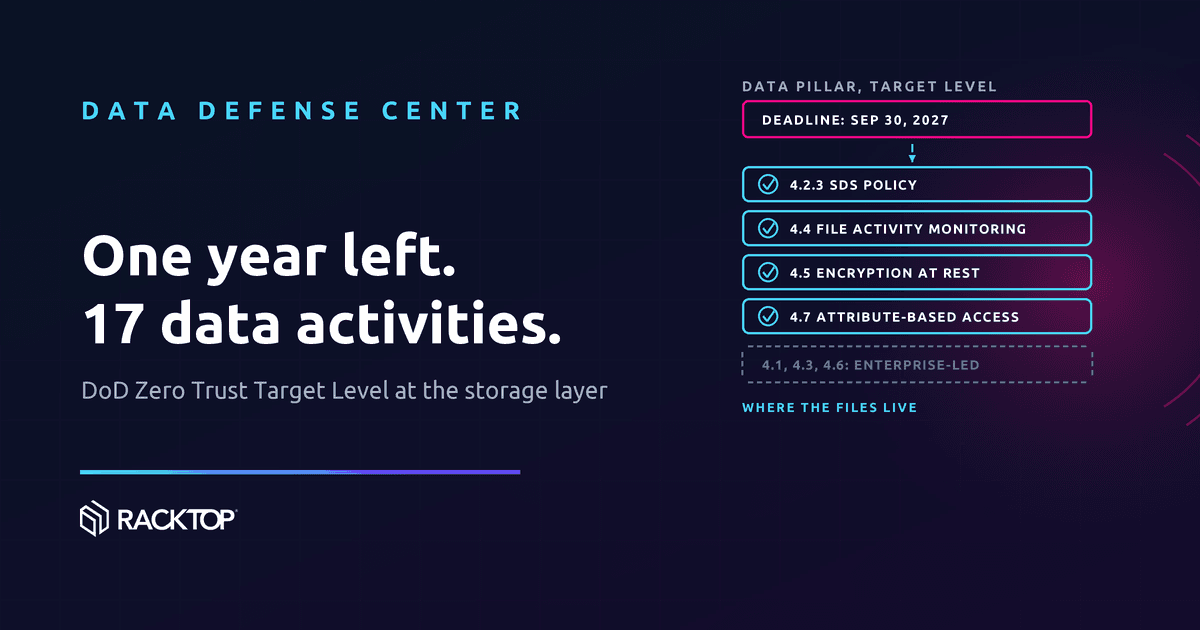
FY2027 is here: what the DoD Zero Trust data pillar requires, and what storage has to prove
Fiscal 2027 began October 1, the last year components have to reach Target Level Zero Trust. Seventeen of the 91 Target activities sit in the data pillar, and several of them land on storage.
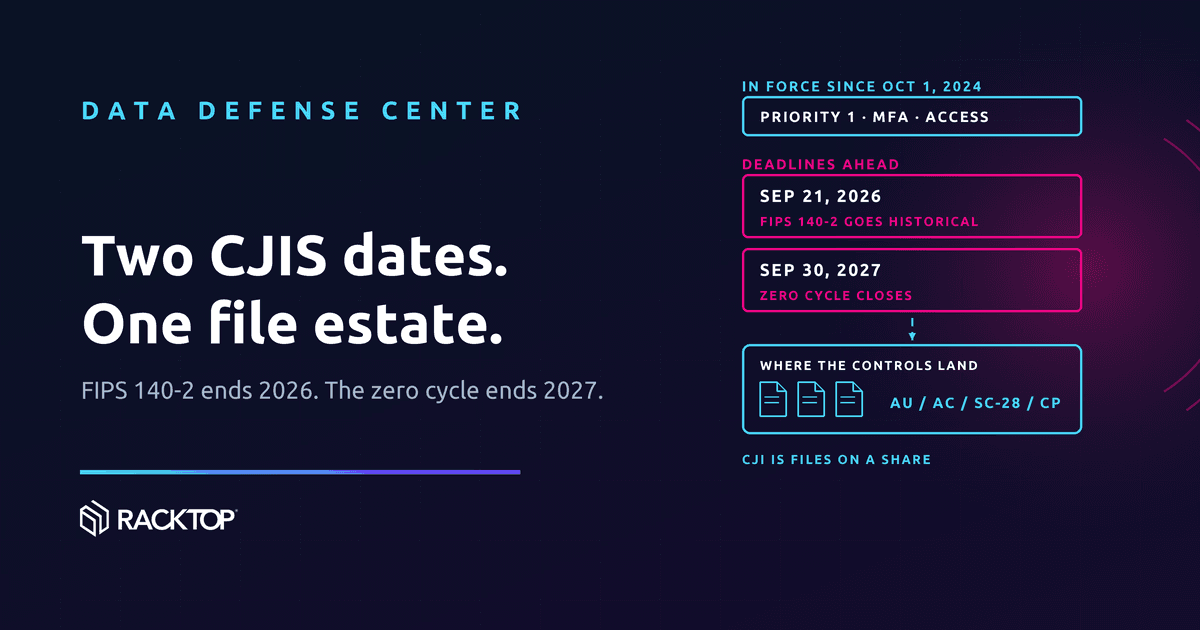
CJIS Security Changes for 2026 and 2027: What State and Local Agencies Need to Know
Two dates shape CJIS planning for state and local agencies: the FIPS 140-2 sunset, which took effect on September 22, 2026, and the end of the zero-cycle period on September 30, 2027. Here is what each one actually requires, and why so much of the work lands on storage.
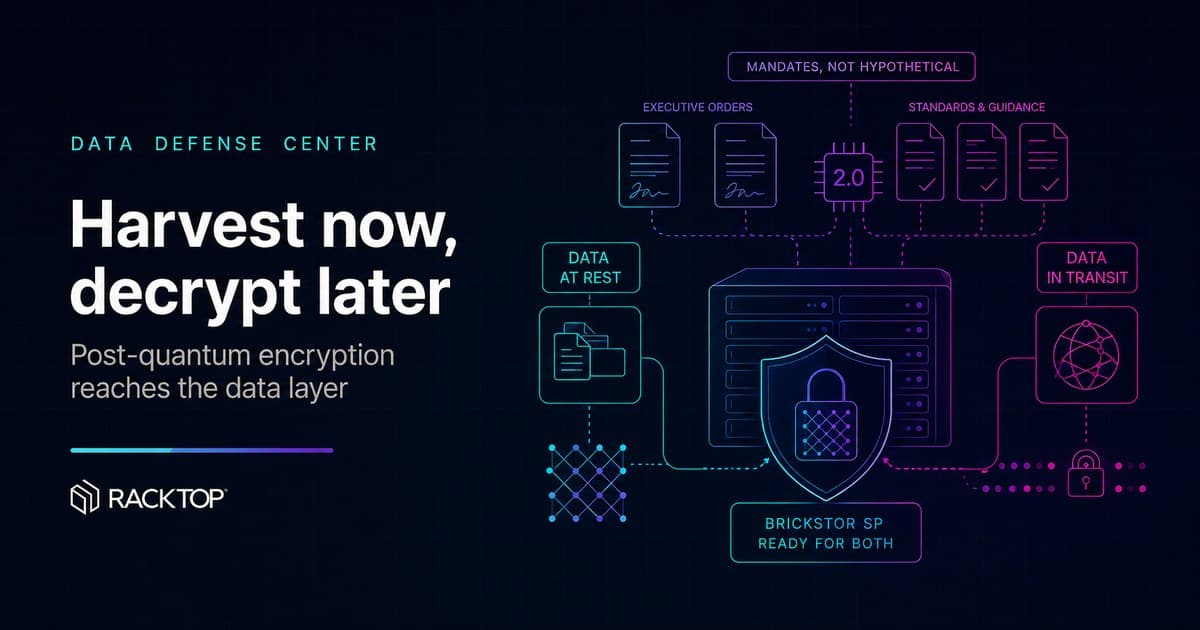
Harvest now, decrypt later: post-quantum encryption reaches the data layer
Two executive orders, three NIST standards, and NSA’s CNSA 2.0 have turned post-quantum cryptography from research topic into procurement requirement. What the mandates actually say, and how BrickStor SP is post-quantum ready for data at rest and data in transit.
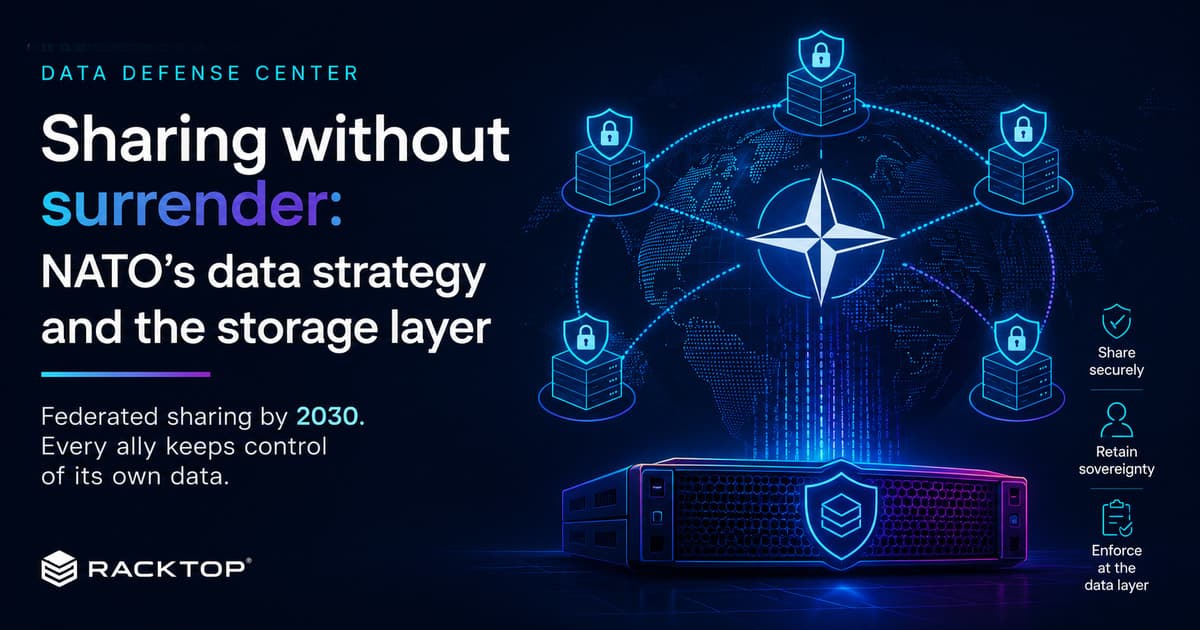
Sharing without surrender: NATO’s data strategy and the storage layer
NATO’s Data Strategy for the Alliance sets a 2030 target: federated data sharing across the Alliance while every ally keeps control of its own data. Sharing and sovereignty at once is not a networking problem. It is a mandate for enforcement that lives where the data lives.
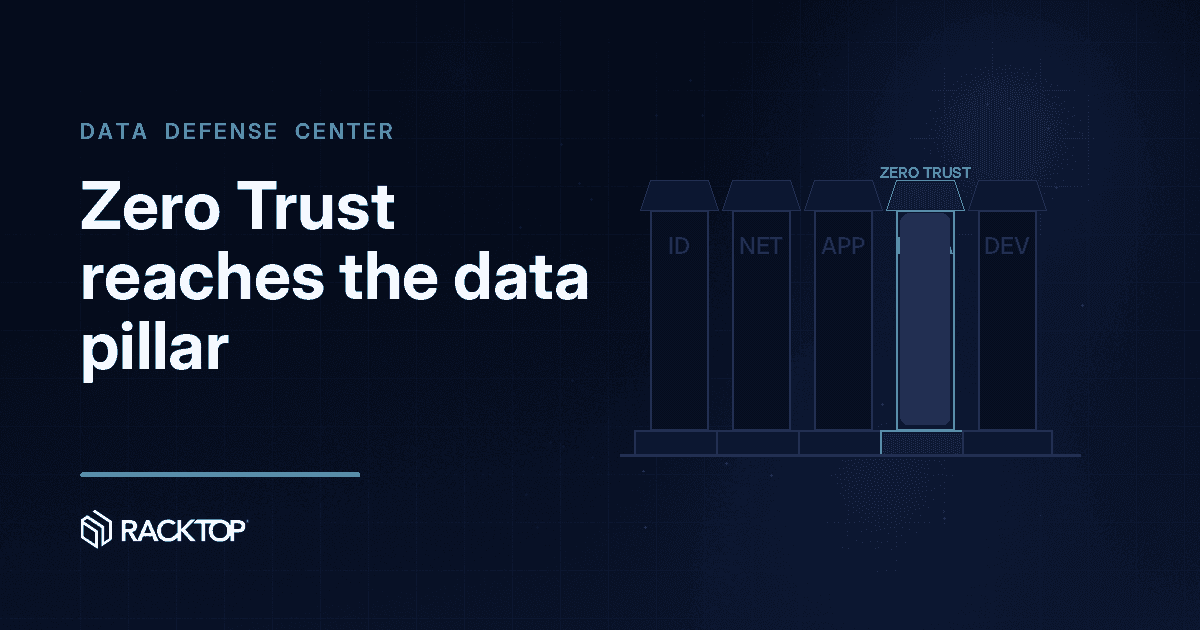
Zero Trust reaches the data pillar
What Zero Trust security is, where it came from, and how the CISA and DoD Zero Trust Maturity Models differ, who each applies to, and why both converge on the data pillar.

CUI lives in files. Protect it there.
Controlled Unclassified Information is overwhelmingly unstructured: drawings, specs, contract documents on file shares. CMMC compliance increasingly comes down to whether you can label, control, and account for those files, which is exactly what data labeling and ABAC at the storage layer deliver.

Understanding CMMC: A Practical Guide for Defense Contractors
What CMMC is, who must comply, the three levels, the phased enforcement timeline through 2028, and the path to certification for defense contractors handling FCI and CUI.
See data-layer defense in your environment
In a 30-minute demo we’ll show Active Defense stopping an attack inline, immutable recovery, and surgical rollback — mapped to your data and your threats.